
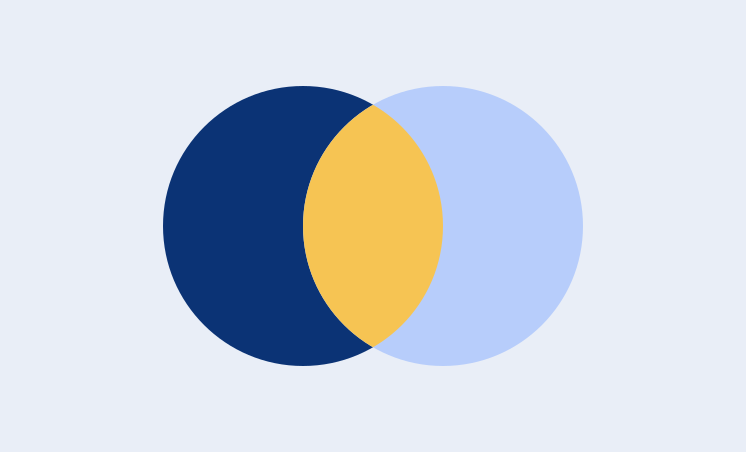
How double bookings happen, and how to make them impossible
Two people, one yacht, the same week, a few seconds apart. Why the check has to happen at the moment of saving.
Most charter companies have a double booking story. A family flies in for a week on a yacht that someone else is already sailing. The office spends the afternoon on the phone, the base team looks for a replacement, and somebody pays for it, usually in discounts and goodwill.
Double bookings rarely come from carelessness. They come from the way the work is set up: more than one person selling the same fleet, from more than one place, with a check that happens a little too early.
The few seconds that matter
Picture two colleagues on a Tuesday morning. One has a couple on the phone who want a 40-foot yacht for the second week of July. The other is answering an email from an agency asking for the same week. Both open the calendar. Both see the yacht free. Both start writing.
The first one confirms after two minutes. The second one confirms after three. Each of them checked, and each check was correct when it was made. The problem is that the check happened when they looked, not when they saved.
That gap is where every double booking lives. It can be a few seconds or a whole afternoon, if someone keeps a tab open from the morning. As long as "is it free?" and "book it" are two separate moments, two people can both get a yes.
Where the extra bookings come from
The same gap opens in other ways too:
- Several calendars. The office keeps one, the base keeps another, and a spreadsheet tracks the owner's weeks. Each one is right on its own, and nobody sees all three at once.
- Agencies and brokers. A week sold by an agency reaches you by email. Until someone types it in, your own team can sell it again.
- Options without an end. A yacht is "on option" for a customer, but the option lives in someone's head or a note. When they are on holiday, nobody knows whether it still counts.
- Owner use and maintenance. The owner wants the first week of June, and the engine service is planned for May. If those dates sit in a different place from the bookings, they get sold.
Make the check part of the save
The fix is not more care. It is moving the check to the only moment that counts: when you press save. The system should look at everything that can take a yacht's dates, at that moment, and refuse the second one with a clear message.
For that to work, three things have to be true.
Everything that takes dates lives in one place. Bookings, holds and blocks for maintenance, owner use or external bookings all have to be in the same record of the yacht's time. A check can only see what it can read.
Holds are real and they end. A hold should stop anyone else from holding, quoting or booking the same dates, and it should have an end time. When the end time passes, the yacht is free again without anyone remembering to release it.
The losing side is told why. When two people try at once, one of them wins. The other needs to know straight away, in plain words, so they can call the customer back with another yacht rather than discover the clash in June.
How Klaryus handles it
In Klaryus, every hold, quote-to-booking conversion and block is checked against the yacht's bookings, holds and blocks at the moment it is saved. If a colleague held or booked the same dates a moment before you, your change is not saved and you are told why. Nothing is saved twice.
Agency weeks, owner weeks and maintenance go in as blocks, with a type such as External booking, Owner use or Maintenance, so the search sees them like any booking. Holds have an end time and let go on their own when it passes.
A short checklist for your own office
Whatever you use, a few habits close most of the gaps:
Keep one place for a yacht's time. If the owner's weeks or the agency weeks live elsewhere, move them in.
Give every option an end date and an owner, and write both down where the whole team sees them.
Enter agency confirmations the day they arrive, before replying to anyone else about that yacht.
Confirm in writing only after the booking is saved, not before.
When a clash does happen, look at where the check was made. It is almost always a check that came too early.
Double bookings feel like bad luck. They are mostly timing. Put the check where the save is, and the second booking simply cannot happen.